
NanoPi Neo2: The Perfect Pi-Hole Host
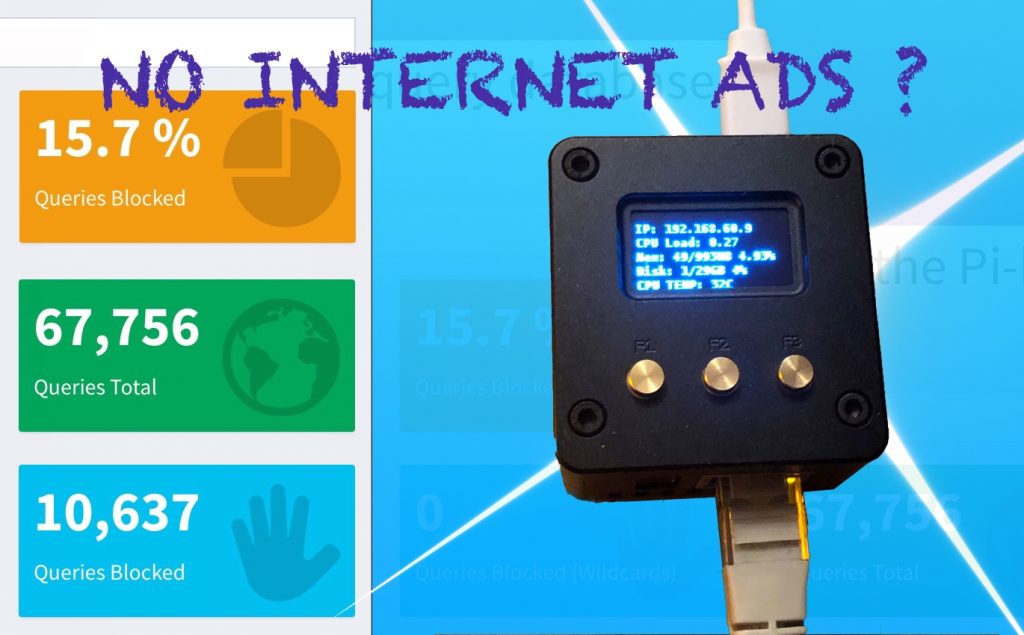
The NanoPi Neo2 by FriendlyARM is a tiny ARM computer that punches above its weight. Unlike the Raspberry Pi 3 Model B+ which has "only" 300 Mbit Ethernet (shared over USB 2.0), the NanoPi Neo2 has a true Gigabit Ethernet port — making it ideal for a network DNS device.
What Makes It Great for Pi-Hole
- Allwinner H5 CPU — quad-core ARM Cortex-A53
- Gigabit Ethernet — direct, not shared over USB
- Aluminium case with passive heatsink — silent, no fan needed
- OLED display — shows IP, uptime, and stats at a glance
- Low power — runs on 5V/2A micro-USB
What Is Pi-Hole?
Pi-Hole is an open-source DNS sinkhole that blocks advertisements and malware at the network level. Instead of installing ad blockers on every device, you point your network's DNS to the Pi-Hole and it blocks ad domains for all devices — phones, tablets, smart TVs, IoT devices, everything.
How It Works
- A device on your network requests
ads.example.com - The request goes to your Pi-Hole (instead of a public DNS)
- Pi-Hole checks its blocklist — if the domain is an ad/tracker, it returns
0.0.0.0 - The ad never loads — no content is downloaded
- Legitimate domains pass through to upstream DNS normally
Installation
curl -sSL https://install.pi-hole.net | bashAfter installation, configure your devices to use the Pi-Hole's IP as their DNS server. You can either:
- Set it manually on each device
- Configure your router's DHCP to distribute the Pi-Hole's IP as the DNS server (recommended — covers all devices automatically)
Results
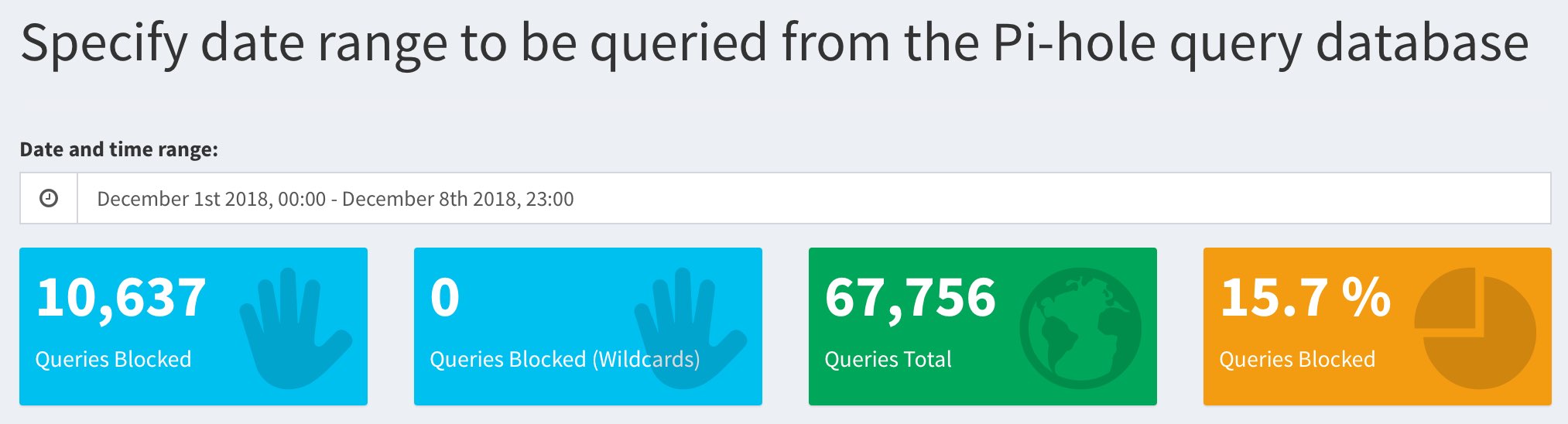
After running Pi-Hole for a few days, the dashboard shows just how much of your internet traffic is ads and trackers. It's common to see 30-40% of all DNS queries blocked — that's bandwidth saved and privacy protected across your entire network.
The Bigger Picture
Blocking ads at the DNS level is a clever application of a simple idea: intercept requests and make smart decisions about them. This same pattern appears everywhere in AI — from filtering spam to routing customer queries to the right AI model. The tools change (from DNS blocklists to neural networks), but the principle of intelligent request handling remains the same.
This article is from the ai.rs archive (originally published on the old ai.rs tech blog). Today, ai.rs builds custom AI assistants for businesses.
Explore what we do now:
- What Is AI, Really? — Start here if you're new to AI
- What is an LLM and How to Deploy It — Technical deep-dive for developers
- Your AI Sales Associate That Never Sleeps — See how AI works for business
- How It Works — Our custom AI service, from your data to a live assistant